 Image 1 of 1
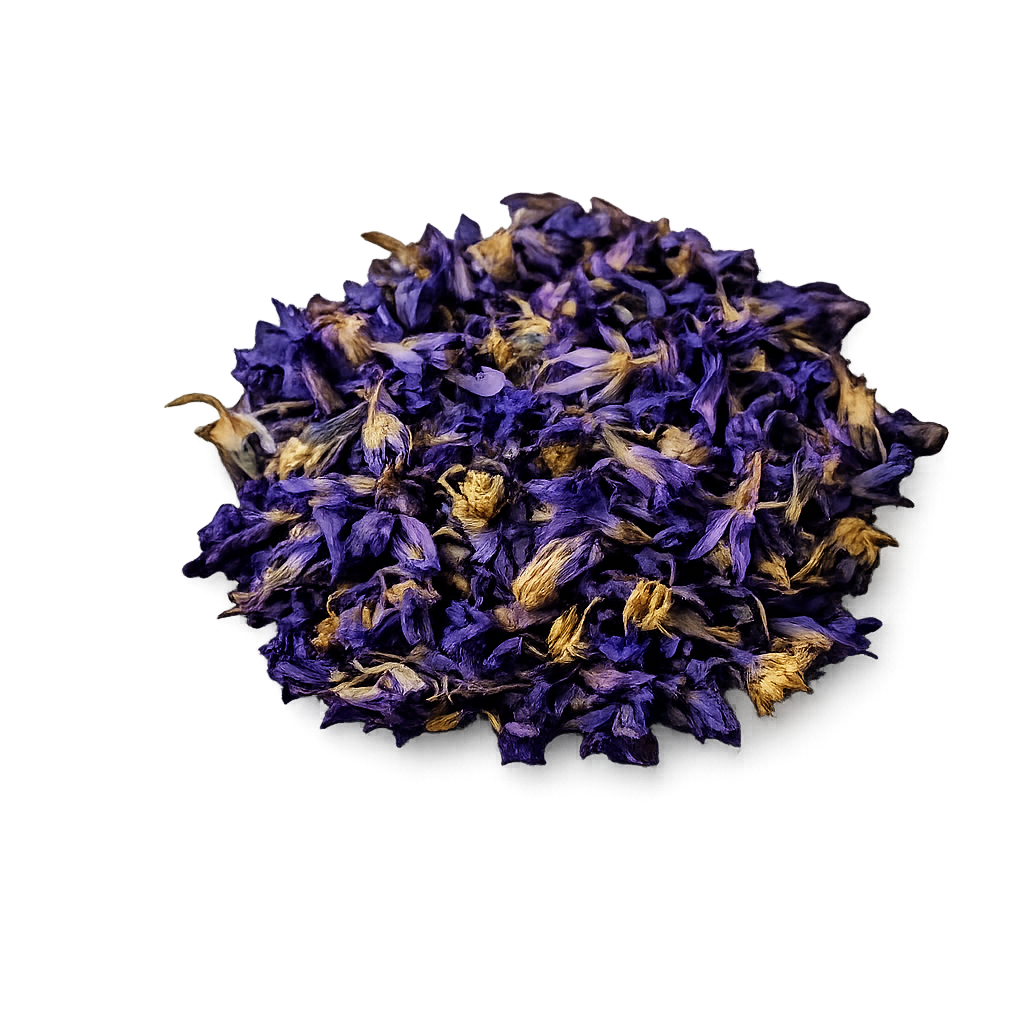
Blue Malva Flower (Malva sylvestris)
Botanical support for structured skin hydration
Blue malva is a mucilage-rich flower traditionally used to support tissue hydration. When steeped, it releases long-chain polysaccharides that form a soft, gel-like infusion. These plant polysaccharides behave similarly to the body’s own water-binding molecules (like glycosaminoglycans) that help organize and hold water in tissue — what many refer to as “structured” hydration.
Hydration isn’t only about drinking more water. It’s about the body’s ability to retain water inside the skin and connective tissue. The mucilage in blue malva helps support that environment by coating and soothing mucosal and epithelial tissues, encouraging water to stay where it’s needed rather than evaporating quickly. When tissues are calm and supported, the skin can maintain a softer, more resilient level of hydration.
How it supports skin + tissue hydration
– Provides water-binding plant polysaccharides (mucilage)
– Helps support the tissue environment that retains moisture
– Soothes dryness and irritation
– Supports a hydrated, resilient skin barrier from within
How to use
Tea: Steep 1–2 tsp in hot water 5–10 minutes
High-quality whole herbs don’t release everything at once.
The first infusion gently rehydrates and opens the plant’s structure.
The second infusion is often where the depth reveals itself — smoother, rounder, more mineral, more complete.
Because our blends are made with intact leaves, roots, and flowers — not powdered fragments — the compounds extract in layers.
You may notice:
Less sharpness
More body
A softer, fuller taste
This is a sign of quality.
The plant still has more to give.
We always recommend steeping your blend a second time before composting the herbs. Many customers find the second cup is their favorite.
If you want a slightly more poetic version (very on-brand for you):
The first steep awakens the plant.
The second steep reveals its depth.
Whole herbs release slowly — the way nature intended.
When the structure is intact, the extraction is layered.
Don’t rush it.
Let the plant open.
Cold infusion: Soak in room-temperature water for a thicker mucilage
Topical: Use cooled infusion as a facial rinse or compress for gentle hydration support
Growing in Los Angeles
Blue malva grows well in Mediterranean climates like Southern California. It thrives in full sun with well-draining soil and moderate water, making it suitable for LA gardens or containers.
A foundational botanical for those interested in supporting long-term hydration — not just adding moisture, but helping the body hold it.
1.0 ounce gives you around 24-30 servings
Please consult your healthcare provider before using any herbal remedies, as individual health conditions vary. If you are pregnant or breastfeeding, consult your doctor prior to use.
Blue Malva Flower (Malva sylvestris)
Botanical support for structured skin hydration
Blue malva is a mucilage-rich flower traditionally used to support tissue hydration. When steeped, it releases long-chain polysaccharides that form a soft, gel-like infusion. These plant polysaccharides behave similarly to the body’s own water-binding molecules (like glycosaminoglycans) that help organize and hold water in tissue — what many refer to as “structured” hydration.
Hydration isn’t only about drinking more water. It’s about the body’s ability to retain water inside the skin and connective tissue. The mucilage in blue malva helps support that environment by coating and soothing mucosal and epithelial tissues, encouraging water to stay where it’s needed rather than evaporating quickly. When tissues are calm and supported, the skin can maintain a softer, more resilient level of hydration.
How it supports skin + tissue hydration
– Provides water-binding plant polysaccharides (mucilage)
– Helps support the tissue environment that retains moisture
– Soothes dryness and irritation
– Supports a hydrated, resilient skin barrier from within
How to use
Tea: Steep 1–2 tsp in hot water 5–10 minutes
High-quality whole herbs don’t release everything at once.
The first infusion gently rehydrates and opens the plant’s structure.
The second infusion is often where the depth reveals itself — smoother, rounder, more mineral, more complete.
Because our blends are made with intact leaves, roots, and flowers — not powdered fragments — the compounds extract in layers.
You may notice:
Less sharpness
More body
A softer, fuller taste
This is a sign of quality.
The plant still has more to give.
We always recommend steeping your blend a second time before composting the herbs. Many customers find the second cup is their favorite.
If you want a slightly more poetic version (very on-brand for you):
The first steep awakens the plant.
The second steep reveals its depth.
Whole herbs release slowly — the way nature intended.
When the structure is intact, the extraction is layered.
Don’t rush it.
Let the plant open.
Cold infusion: Soak in room-temperature water for a thicker mucilage
Topical: Use cooled infusion as a facial rinse or compress for gentle hydration support
Growing in Los Angeles
Blue malva grows well in Mediterranean climates like Southern California. It thrives in full sun with well-draining soil and moderate water, making it suitable for LA gardens or containers.
A foundational botanical for those interested in supporting long-term hydration — not just adding moisture, but helping the body hold it.
1.0 ounce gives you around 24-30 servings
Please consult your healthcare provider before using any herbal remedies, as individual health conditions vary. If you are pregnant or breastfeeding, consult your doctor prior to use.